
WHAT WE ASSESS
Stucco, Siding & Cool Coat
Cracks, heat-soaked walls, and failing paint read differently once you can see the temperatures behind them. We show you before recommending anything.
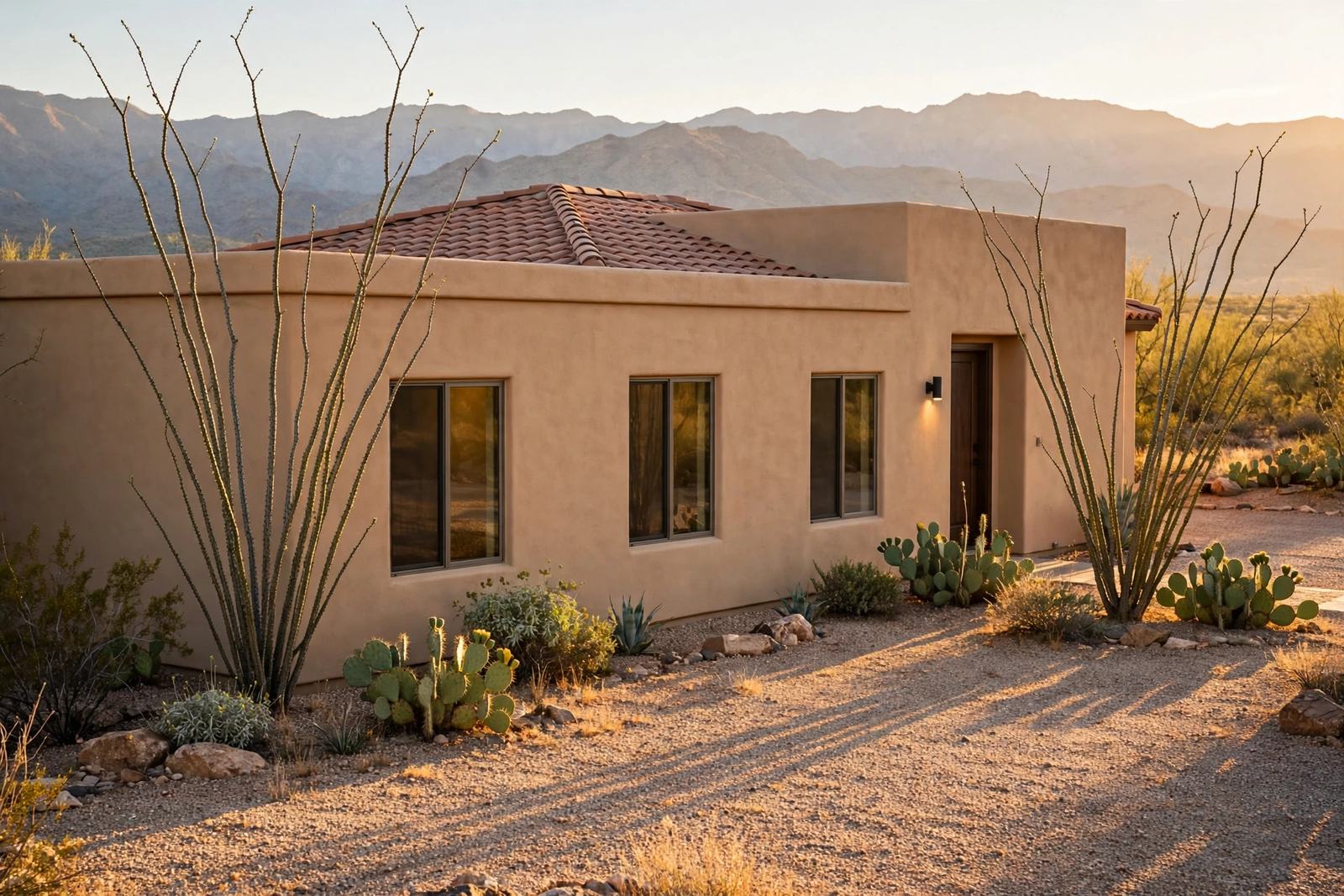
Stucco is a rigid cement finish wrapped around a house that naturally expands, contracts, and settles in our extreme desert climate. While thin hairline cracks are often cosmetic, wider cracks, stair-step fractures, and gaps around window frames can let monsoon rainwater sneak behind the wall where it causes hidden damage.
What we look for
- 1. Daily Thermal Expansion and Contraction: Southern Arizona has some of the widest daily temperature swings in the country.
- 2. Desert Soil Movement and Natural Settling: Much of the Tucson basin sits on expansive clay and hardpan caliche soil.
- 3. Moisture Getting Behind the Stucco: Stucco is designed to shed water on the outside, not trap it on the inside.
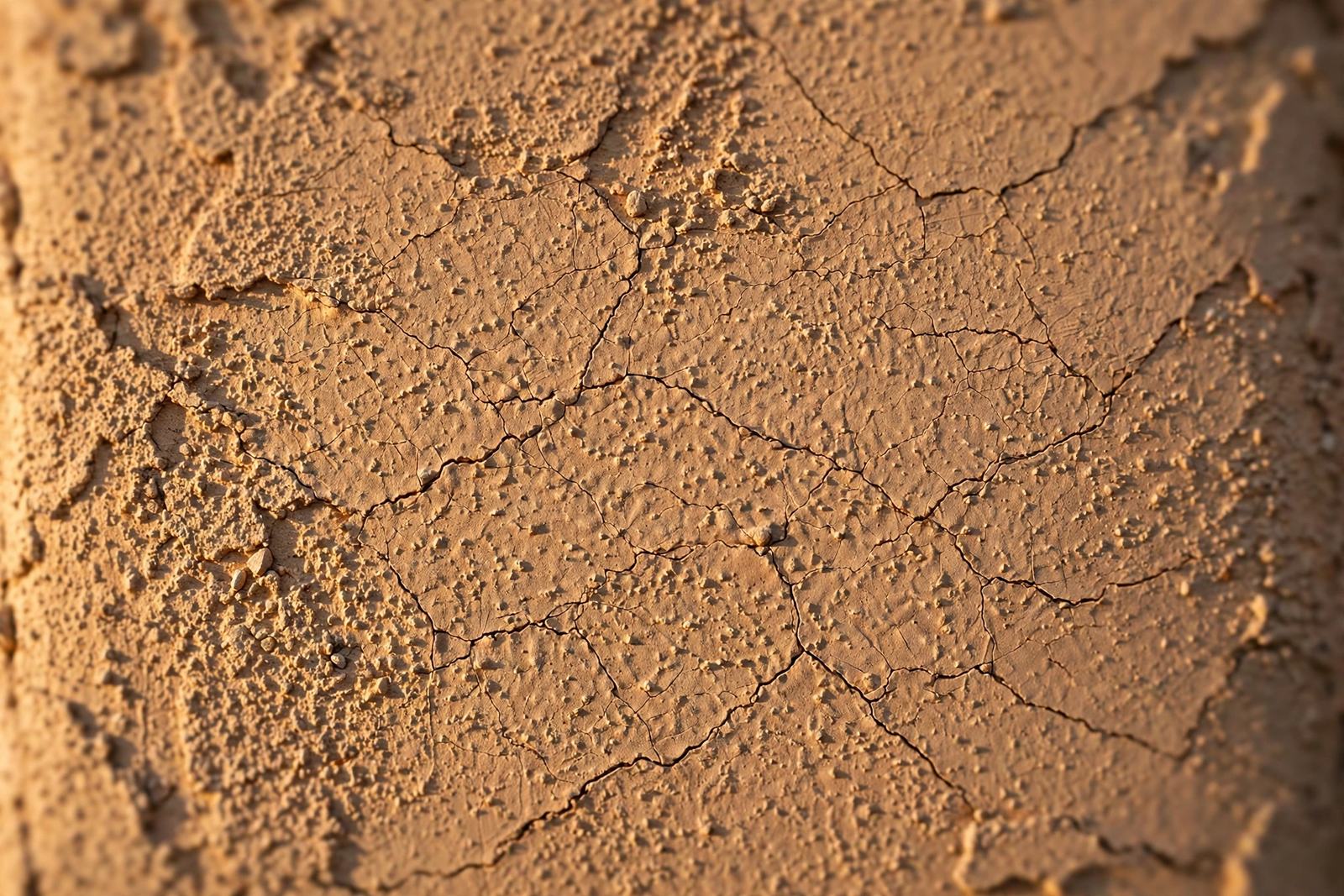
- Hairline and Crazing Cracks (Usually Cosmetic): Very fine cracks that are narrower than the edge of a fingernail (less than 1/16 of an inch wide) and stay shallow in the top finish coat are common as stucco cures and weathers in the sun.
- Cracks and Gaps That Need Attention
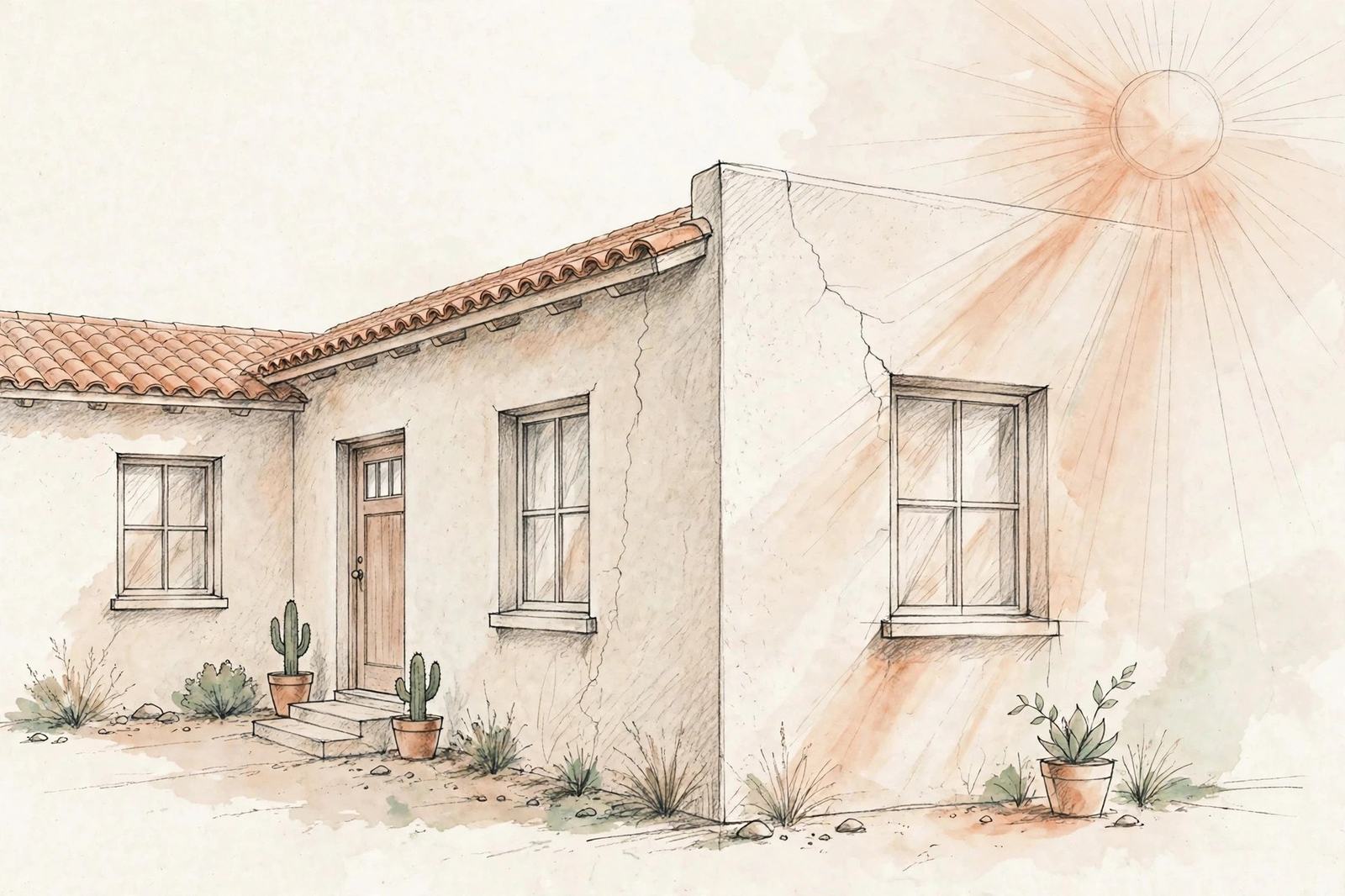
- Gaps where stucco meets windows and doors: Because vinyl, aluminum, and wood frames expand at a different rate than stucco, separation cracks often open right along the window perimeter. Monsoon winds push rain straight into these gaps.
- Wide or growing cracks: Fractures wider than 1/8 of an inch, or cracks where one side of the stucco sits slightly higher than the other, signal active movement.
- Diagonal and stair-step cracks: Cracks that angle sharply off the corners of windows or step along masonry lines point to settling stress.
- Staining, bubbling paint, or hollow spots: Dark streaks below a crack, chalky mineral deposits, peeling paint, or stucco that sounds hollow when you tap it are classic signs that moisture has been sitting behind the wall.
- What an Assessment Looks At Before You Decide on Repairs: One of the most common mistakes homeowners make is squeezing a tube of cheap hardware-store caulk into an active stucco crack and painting over it.
See What Your Home Is Telling You
Book a complimentary assessment and look at your home's condition together, in plain language, before you decide anything.
Book Your Complimentary Assessmentor call or text (520) 415-2983