
WHAT WE ASSESS
Roofs: Tile, Shingle & Flat
Tile, shingle, and flat roofs all age differently under the desert sun. We assess the real condition of yours before anyone tells you that you need a new roof.
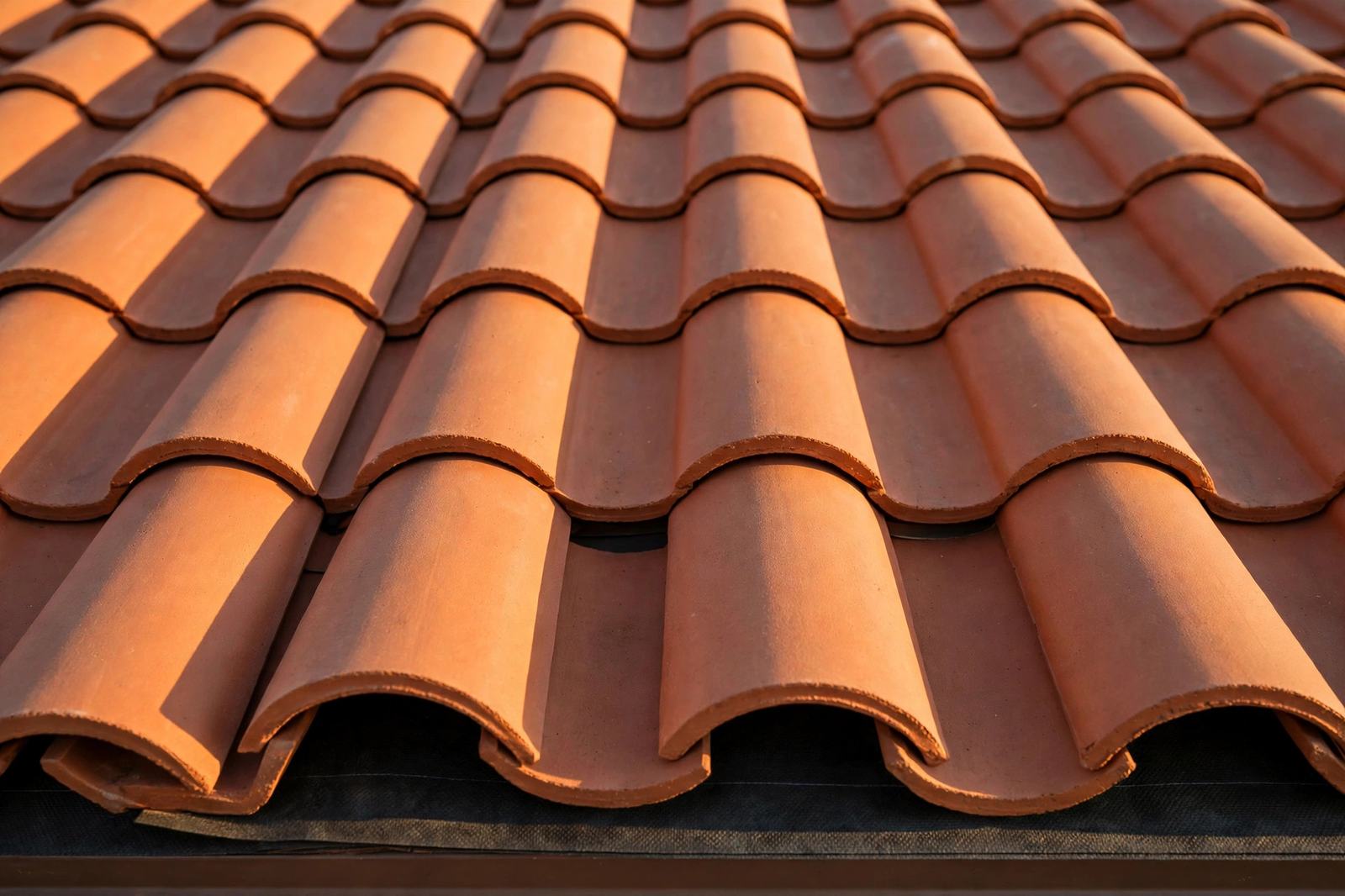
Southern Arizona homes wear three kinds of roofs: tile, shingle, and flat. Each one ages differently in desert heat, and each one fails in its own way. We assess all three, and we judge every roof by its real condition, not by its age and not by how it looks from the driveway.
Tile roofs
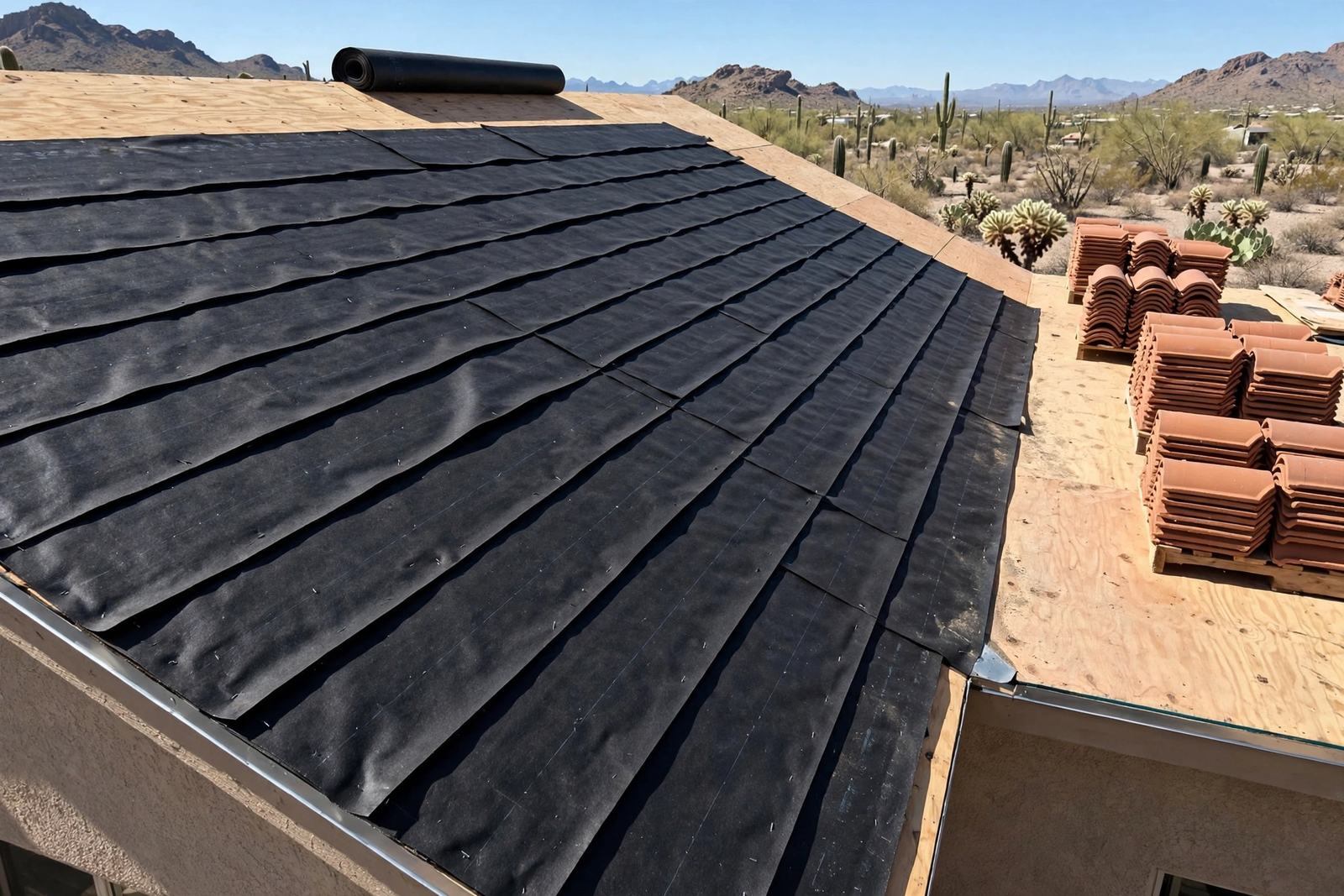
On a Southern Arizona tile roof, the concrete or clay tiles on top are mainly a sun shield and water-shedding shell. The layer that actually waterproofs your house is the underlayment hidden underneath the tiles, and in our desert heat, that underlayment wears out years before the tiles ever look old from the driveway.
What we look for on a tile roof
- How a Tile Roof Actually Works: A tile roof is built as a two-part system, and each layer has a completely different job.
- Why Desert Heat Breaks Down Underlayment While Tiles Look Fine: Concrete and clay tiles handle heat effortlessly, but the waterproof membrane trapped underneath them lives in an oven.
- Warning Signs That Your Underlayment Is Aging: You do not need to climb a ladder yourself to spot the early clues that your roof's underlayment is reaching the end of its life.
- Ceiling stains or bubbling paint after a heavy or wind-driven rain, even when no broken tiles are visible above that room.
- A damp or musty smell in a closet, hallway, or attic space following a storm.
- Granules, dried black felt pieces, or debris washing out of your roof valleys or collecting on the ground below the eaves.
- Slipped, raised, or uneven tiles that indicate fasteners or wood strips underneath are shifting.
- Cool surface-temperature patterns on a thermal scan across an interior ceiling, where moisture trapped above the drywall is cooling the surface before a visible stain breaks through.
- Why "The Tiles Look Good" Does Not Mean the Roof Is Healthy: When underlayment begins failing across an older roof, patching one leak spot is usually a temporary band-aid.
Shingle roofs
A shingle roof works the other way around. The shingles themselves are the waterproof layer, and the desert sun hits them directly. Heat dries them out over time. The protective granules on the surface loosen and wash into the gutters. Edges curl, tabs lift, and fine cracks open up years sooner than they would in a milder climate. Under the shingles sits underlayment, and it bakes in the same trapped heat as it does under tile. We check the surface wear, the valleys, and the flashing, and we scan the ceilings inside for the cool patterns that can appear when water finds a way in.
Flat roofs
A flat roof is not truly flat. It is built with a gentle slope so rain can run to the drains. When that drainage slows, water ponds on the surface after a storm and sits there. Standing water works at the seams and ages the membrane, and the sun beats on the surface the rest of the year. We look for ponding spots, seams that are lifting or splitting, and drain paths that no longer drain. Our job is the same here as on any roof: separate what you can simply watch from what needs a lasting fix. We do not coat roofs, because a coating over an active leak traps moisture inside the roof deck.
When a Roof Doesn't Need Replacing
Plenty of Tucson roofs that homeowners worry about still have years of real life left in them. What decides the true health of a roof is mostly hidden: the underlayment under tile or shingle, and the membrane and drainage on a flat roof. A careful inspection can separate a simple localized repair from a full roof replacement, whatever type of roof you have.
See What Your Home Is Telling You
Book a complimentary assessment and look at your home's condition together, in plain language, before you decide anything.
Book Your Complimentary Assessmentor call or text (520) 415-2983