If your home in Tucson is fifteen or twenty years old and a neighbor down the street gets a new roof, it is easy to look up at your own house and wonder if you are on borrowed time. When you call someone out to take a look, hearing the words "you need a whole new roof" can feel overwhelming.
Here is the honest starting point: plenty of roofs in Southern Arizona that homeowners worry about still have real life left in them. Being told that your entire roof needs to be torn off and replaced is not always the truth. Before you spend money on the biggest project your home can have, you deserve to know how to tell a roof that is worn out from a roof that simply needs a small repair or a watchful eye.
Why the Age of the Tiles Is the Wrong Number to Shop By
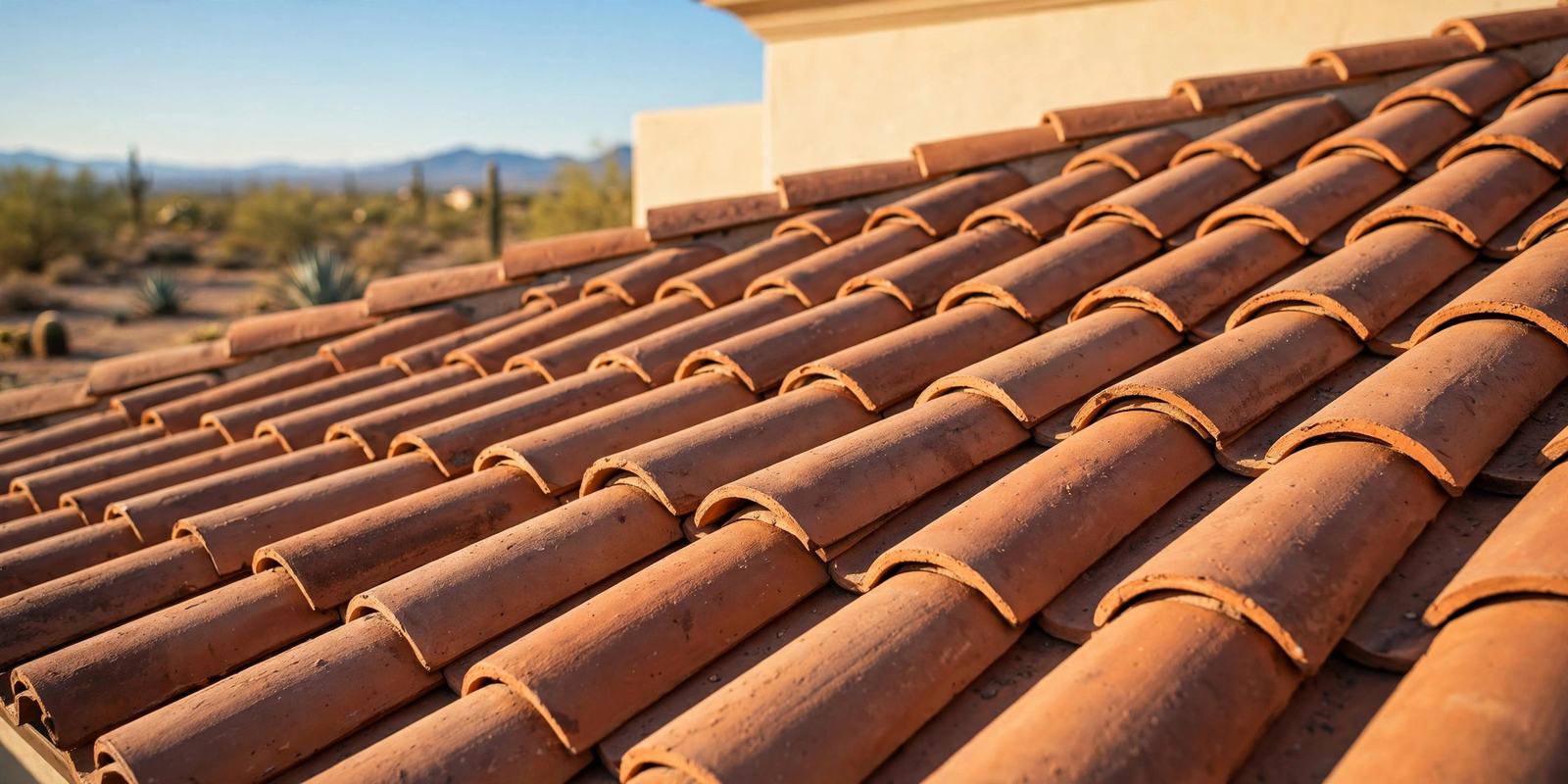
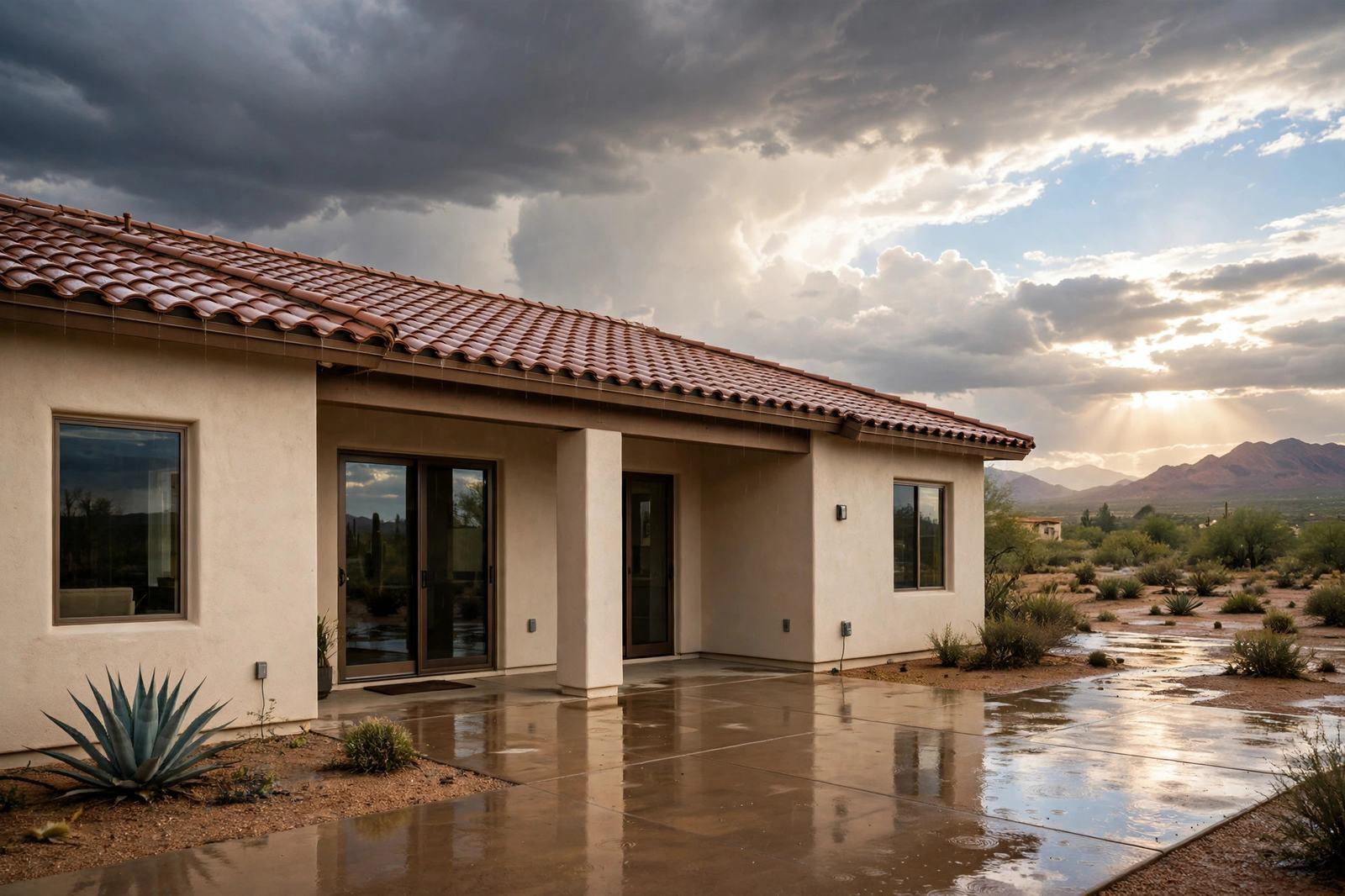
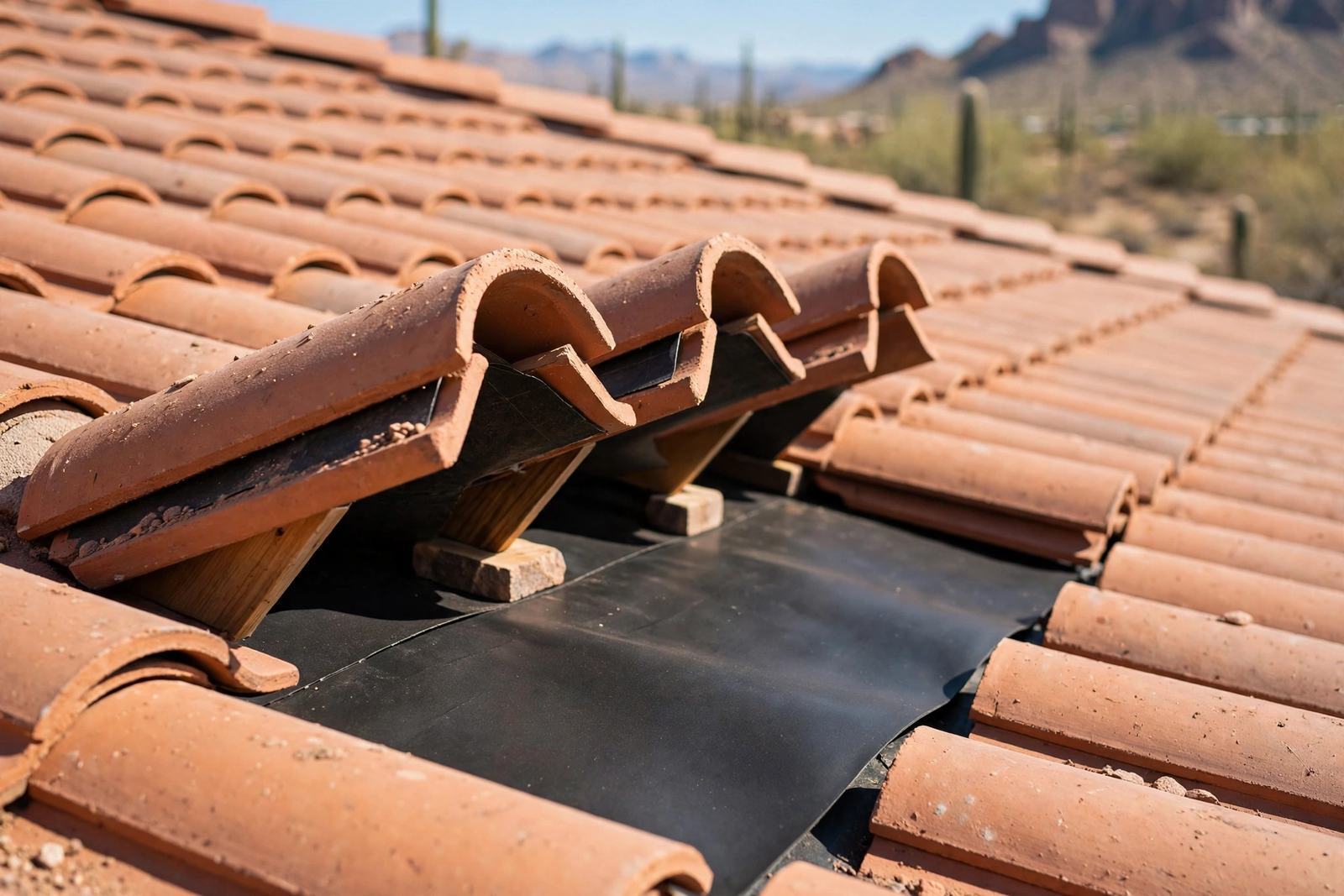
On a desert tile roof, the concrete or clay tiles on top can easily last for decades. They do not rot in the sun, and they handle heat well. The tiles, however, are not what keeps the monsoon rain out of your house. Their main job is to block the sun and shed the bulk of the water, while the waterproof underlayment hidden beneath the tiles does the real sealing.
Because the underlayment is the layer that decides whether a roof stays dry, judging a roof strictly by the calendar age of the tiles is the wrong way to shop. Depending on the quality of the original underlayment, how well the attic is ventilated against summer heat, and which slopes face the harshest sun, one twenty-year-old roof can be brittle across every slope while another roof of the same age is still holding up well.
Signs Your Tile Roof Still Has Life Left
When we look at a roof that still has good years ahead of it, we usually see a few clear signs:
- The tiles across the main slopes are sitting flat and intact, with no widespread cracking or sliding.
- There are no active leaks or recurring water stains on the ceilings inside the home after heavy monsoon rain.
- Where a few tiles are lifted to check underneath, the underlayment still feels pliable and intact rather than crumbling or tearing like dry paper.
- The metal flashing around vents, skylights, and valleys is seated cleanly without rusted-through gaps.
Localized Problems vs. System-Wide Problems
The most important question any roof assessment should answer is whether an issue is localized or system-wide.
A localized problem means the trouble is confined to one specific spot. Maybe wind blew a couple of tiles out of place, debris backed up water in a single valley, or the seal around one plumbing vent dried out. When the surrounding underlayment is still healthy, that is a repair and monitor conversation.
A system-wide problem means the underlayment has baked and deteriorated across the entire roof. When the waterproof layer is brittle everywhere, fixing one leak in the hallway only means the next storm will find a new weak spot over the bedroom. That is when it makes sense to have a plan-for-replacement conversation.
The Honest Ladder of Roof Options
When you look at your roof with clear facts, your choices follow a simple ladder, starting with the least expensive step first:
- Watch and monitor it if the underlayment and flashing are still doing their job.
- Fix the localized problem if only a valley, vent flashing, or a handful of tiles need attention.
- Plan and budget for a full underlayment or roof replacement on your own timeline when the system as a whole is reaching the end of its life.