
A camera that shows you temperatures: nothing more, and nothing less
A thermal camera visualizes surface-temperature differences across your roof, walls, and windows. Those patterns point to where heat is entering, where air is leaking, and where materials are behaving differently than they should.
It is one diagnostic tool among several, and in the desert, where a west wall can run forty degrees hotter than the room behind it, it is an honest place to start.
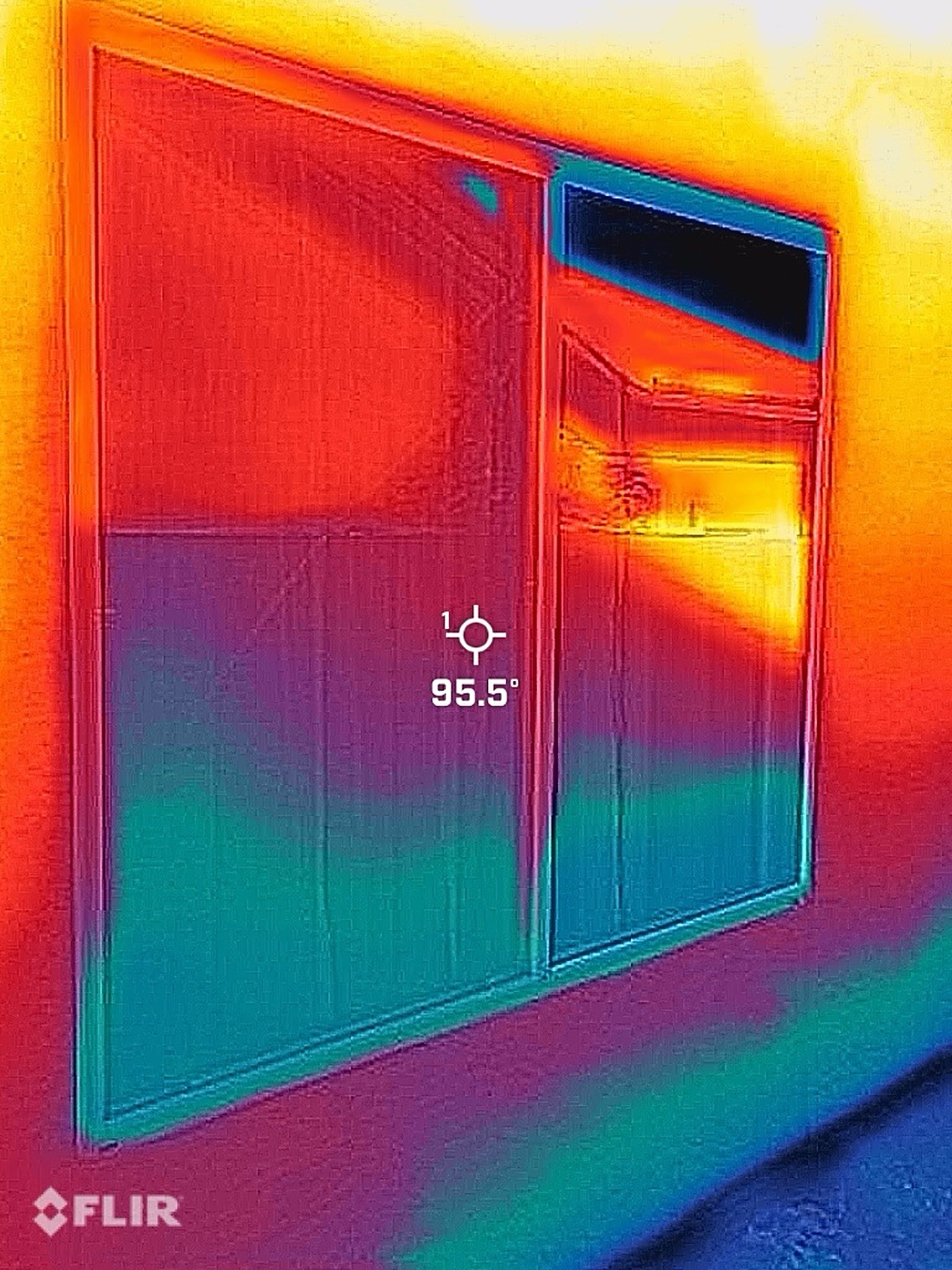
Regular light, then thermal
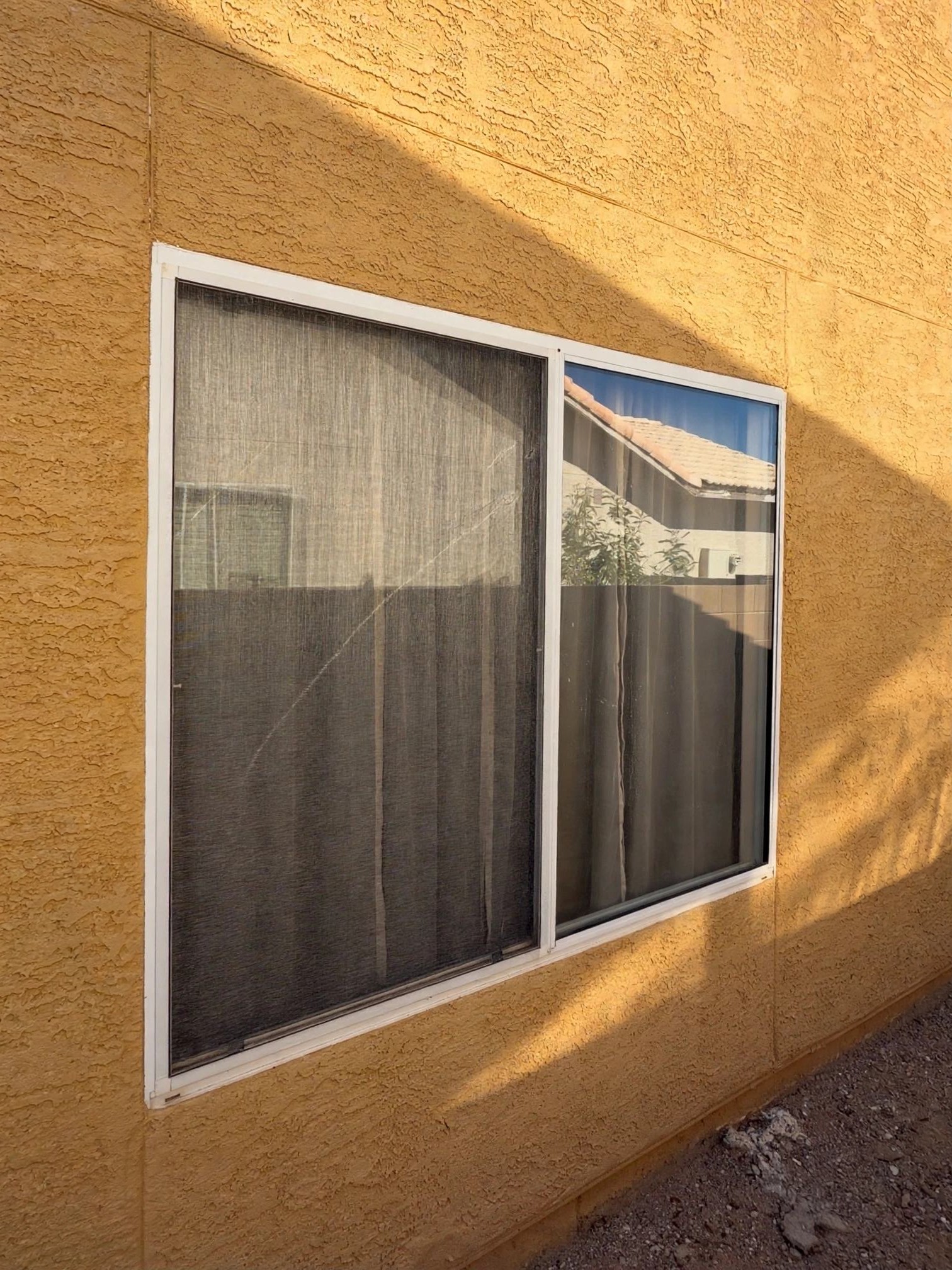
The same window in ordinary light. Nothing looks wrong.
See your own home this way.What thermal imaging can (and cannot) establish
What it can show
- Surface-temperature differences across roofs, walls, windows, and wet areas.
- Where heat is entering the home, and where conditioned air is escaping.
- Patterns consistent with missing or settled insulation, and with air leaks.
- Which specific areas warrant hands-on evaluation, and which look sound.
What it cannot establish on its own
- It cannot see through walls or inside structures: it reads surfaces.
- A pattern is not a diagnosis. It tells us where to evaluate; inspection and context confirm the cause.
- It does not measure savings. No camera can tell you what a repair will save.
- It does not replace the rest of the assessment: condition, materials, and the home's history matter too.
Used this way (as one honest tool among several), thermal imaging helps you understand your home before anyone asks you to spend money on it.
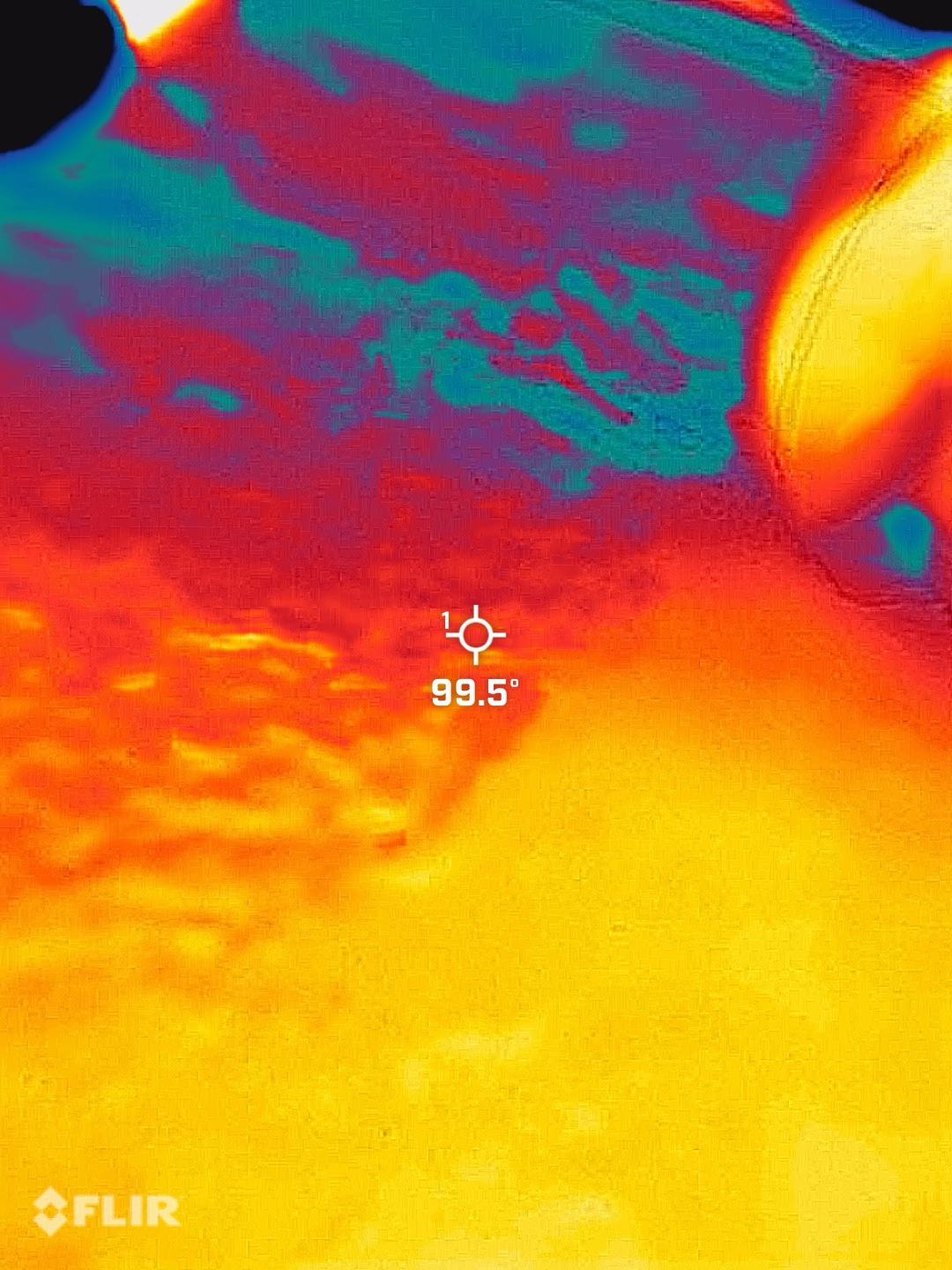
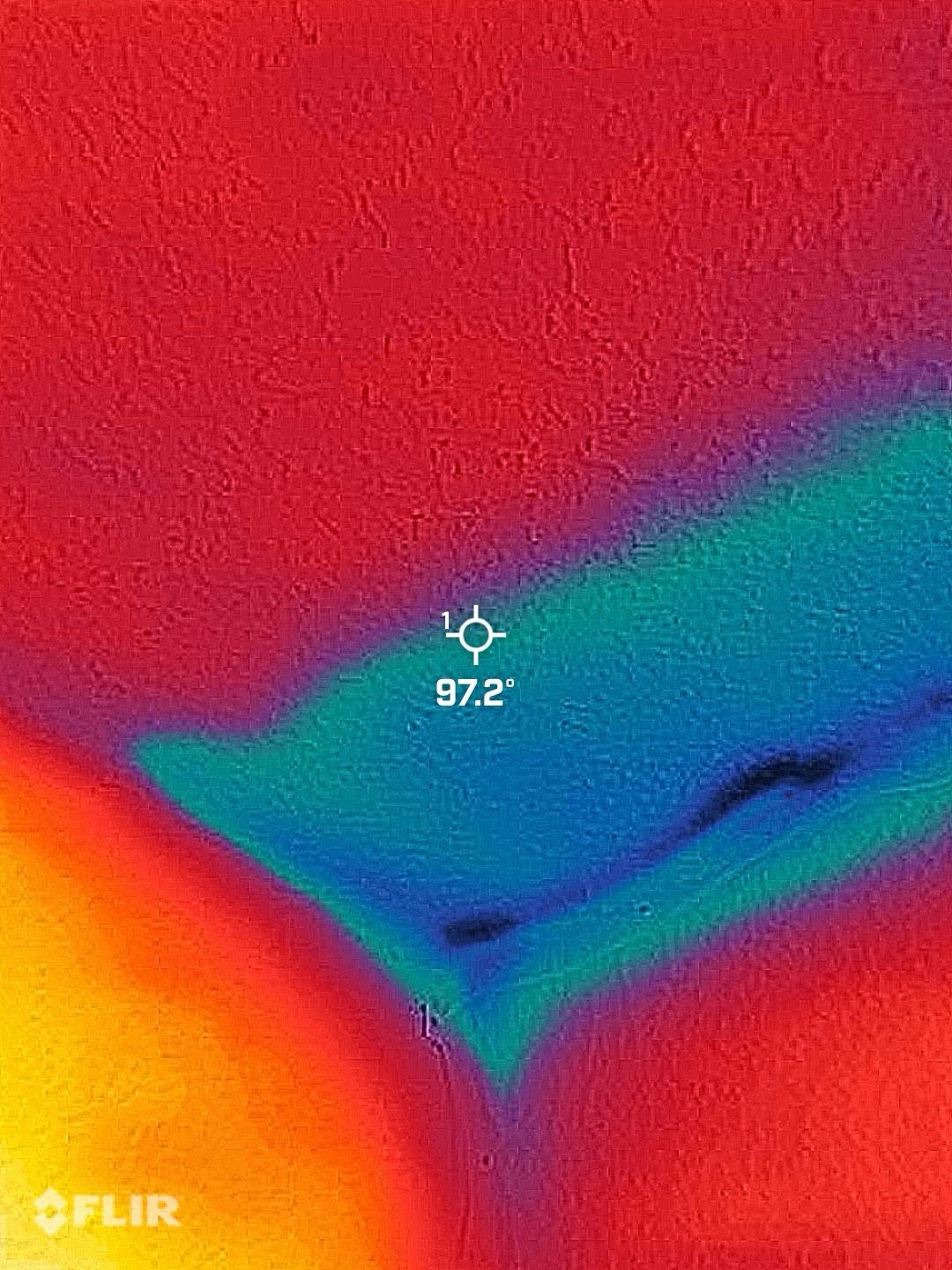
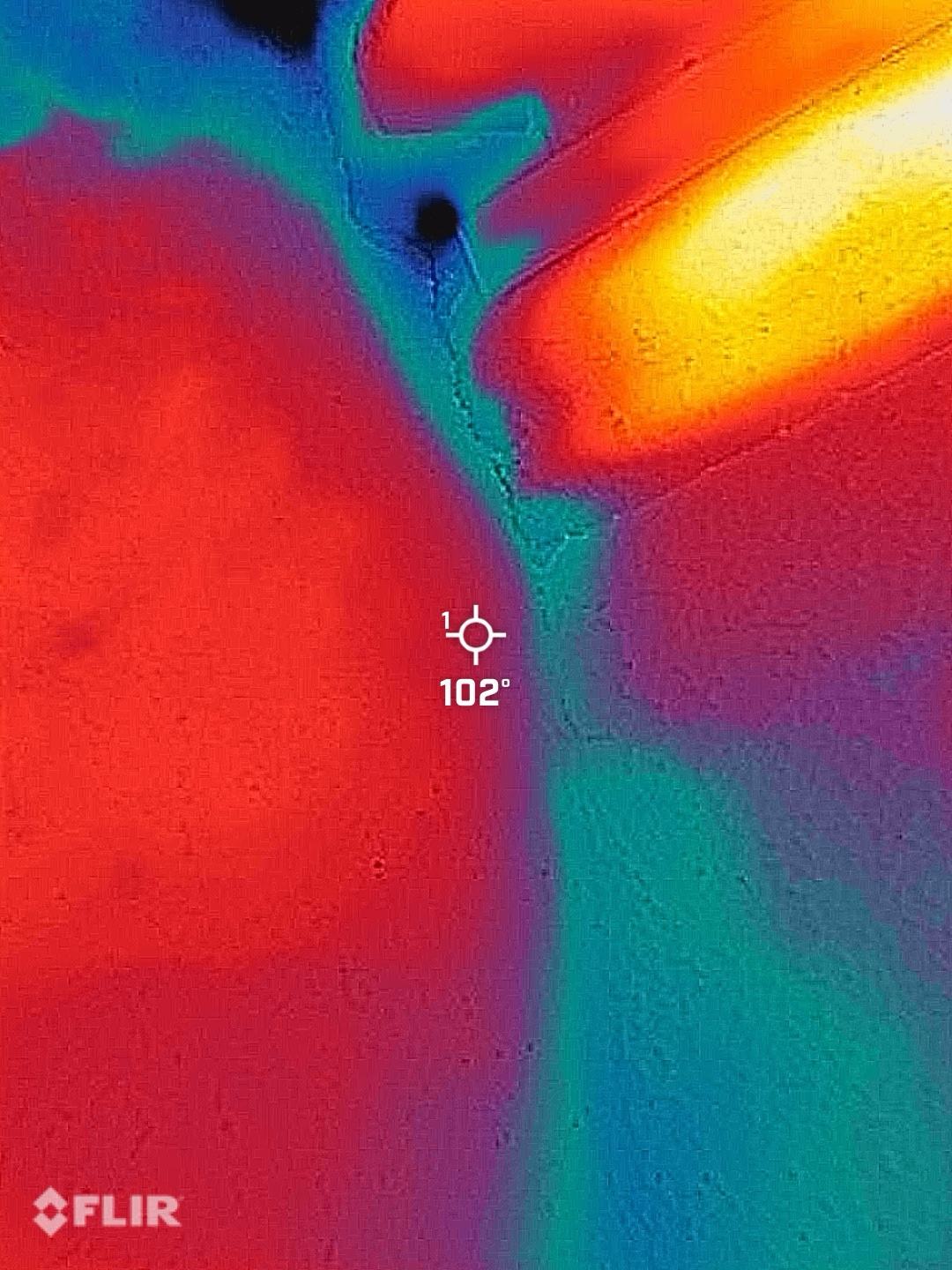
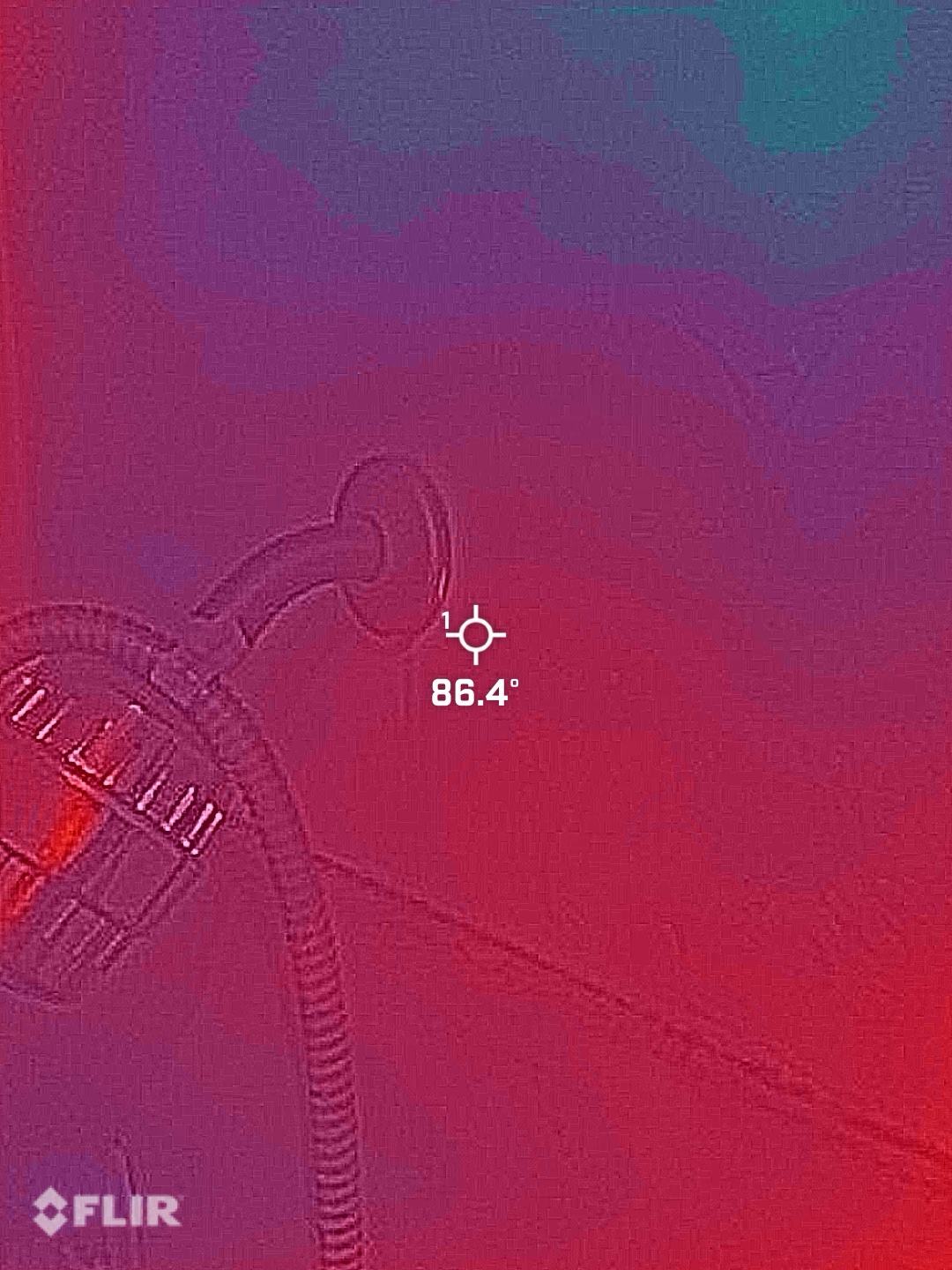
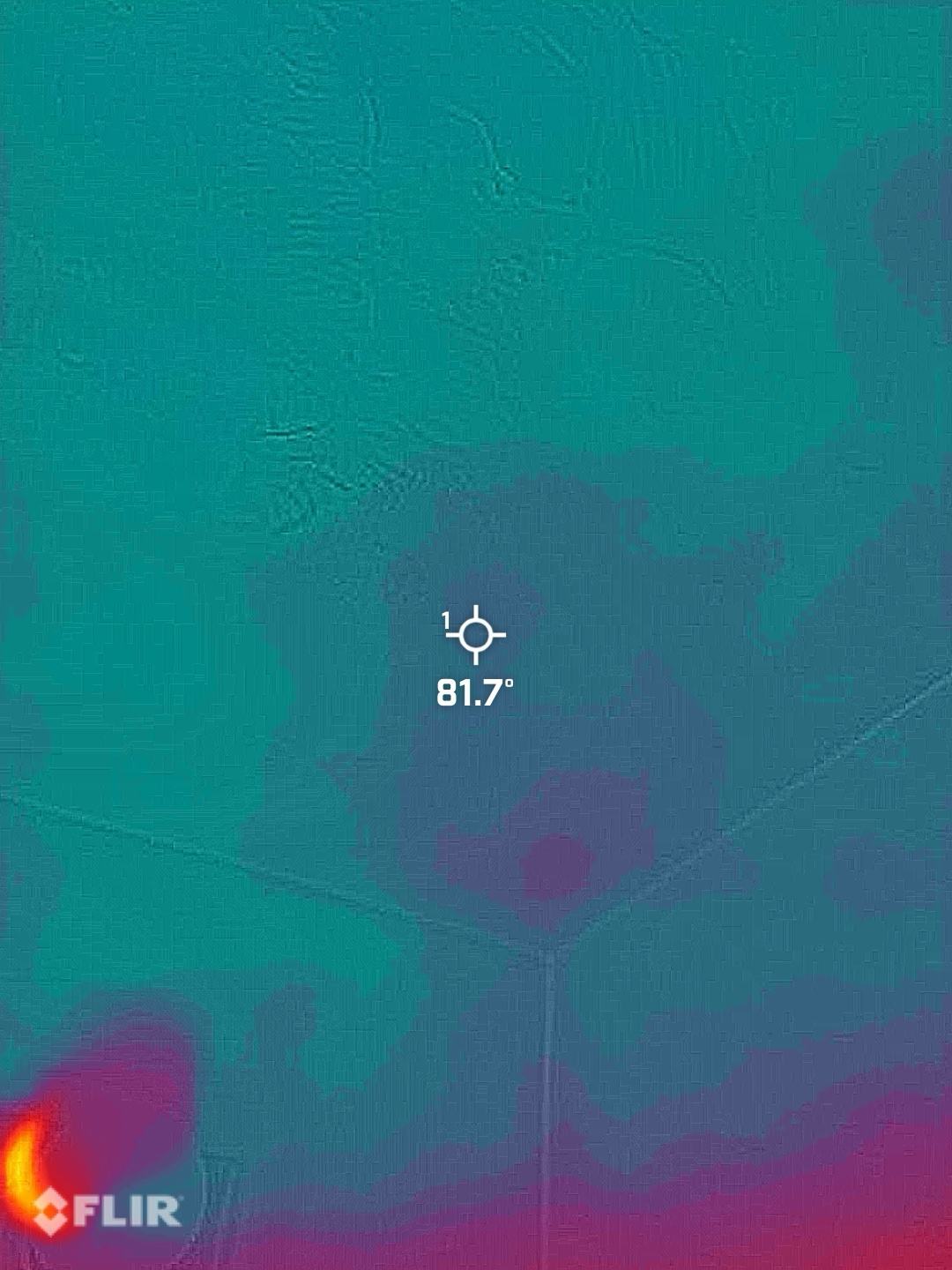
The scans, in their natural colors
No filters and no frames: this is what the camera actually shows, and what we walk through with you, in person, during an assessment.
A closer look starts with a visit
Ninety minutes, at your home, with your questions answered and your options priced directly, or a clear "your home is fine," when that's the truth.