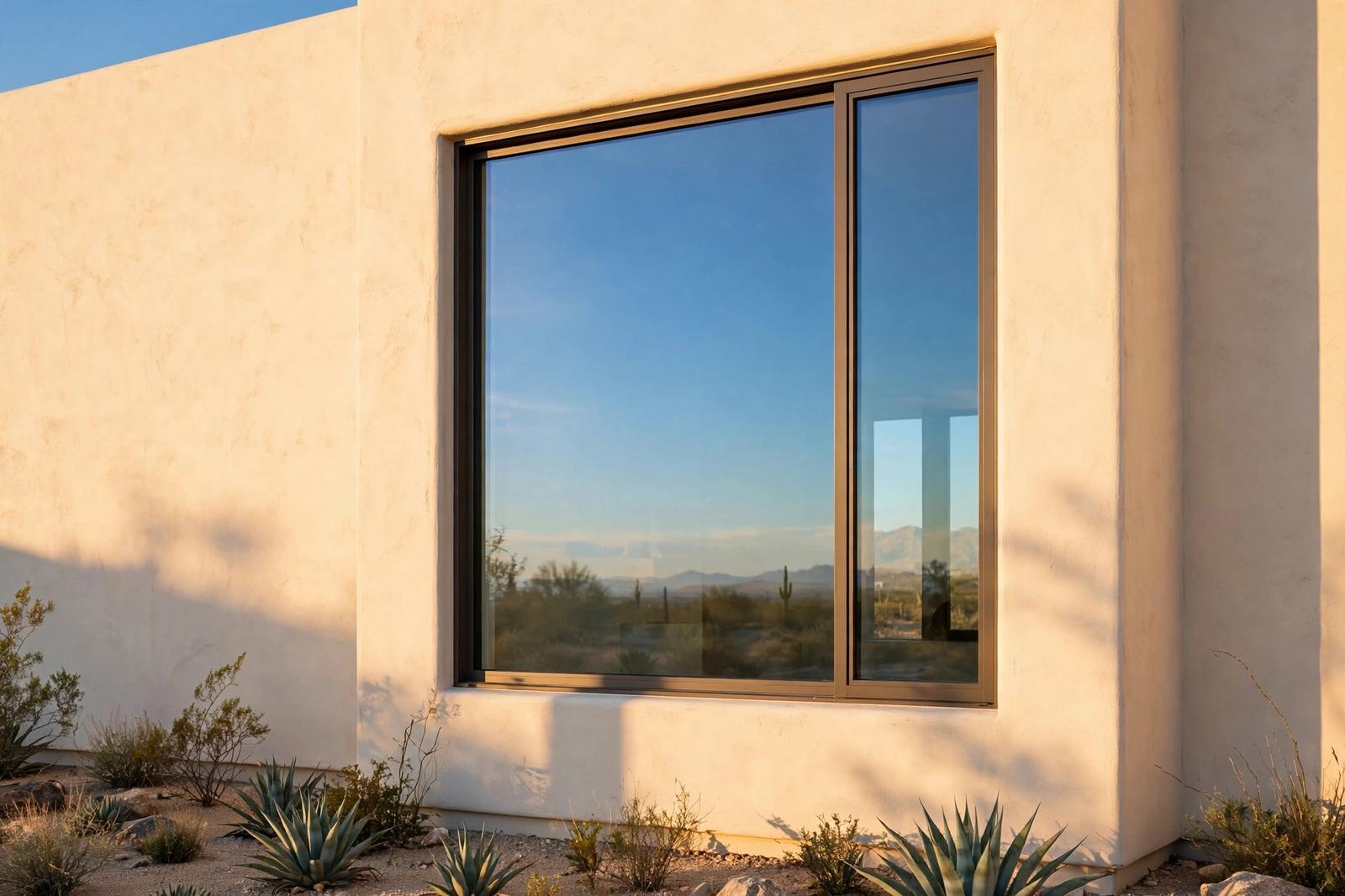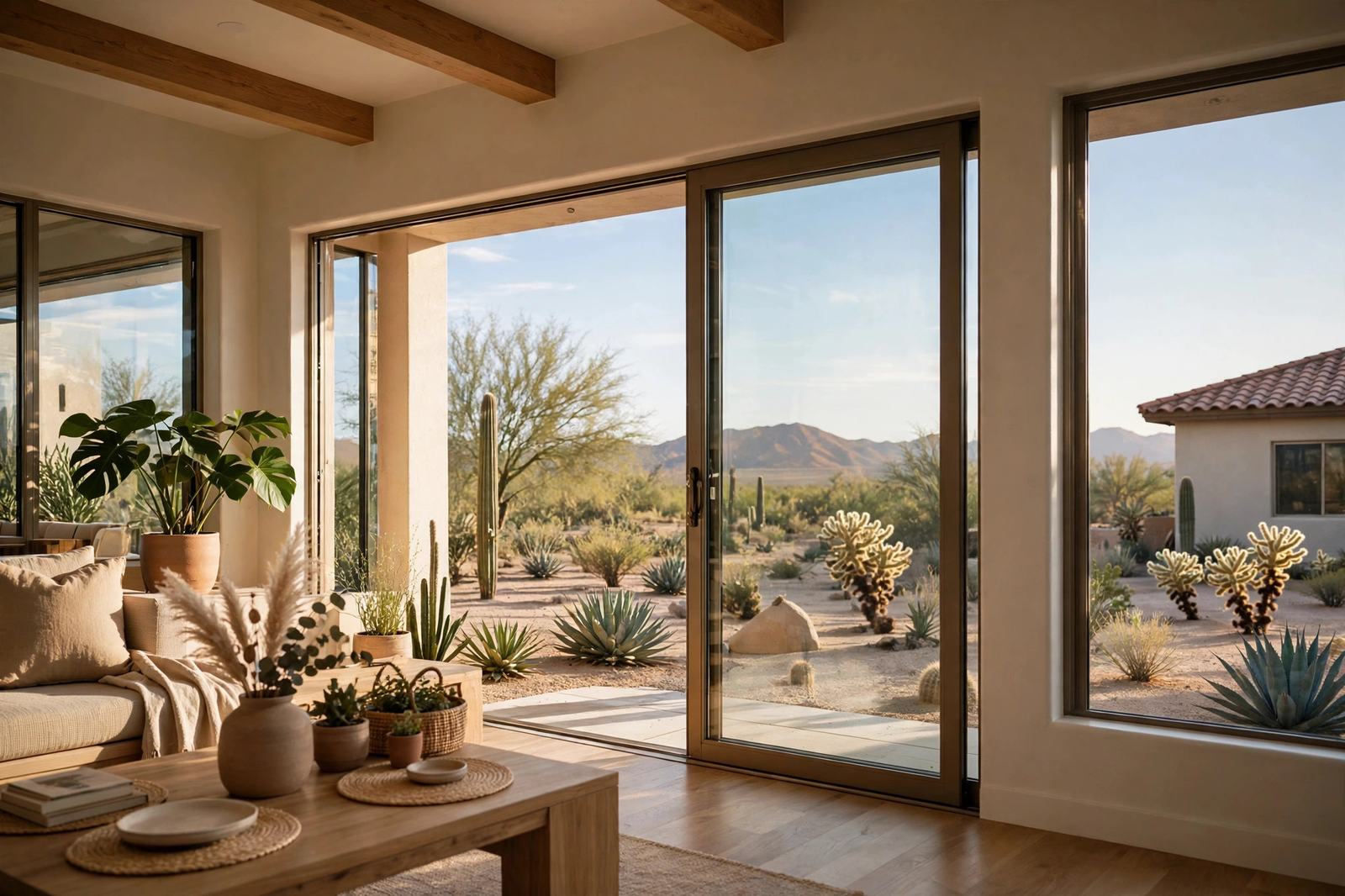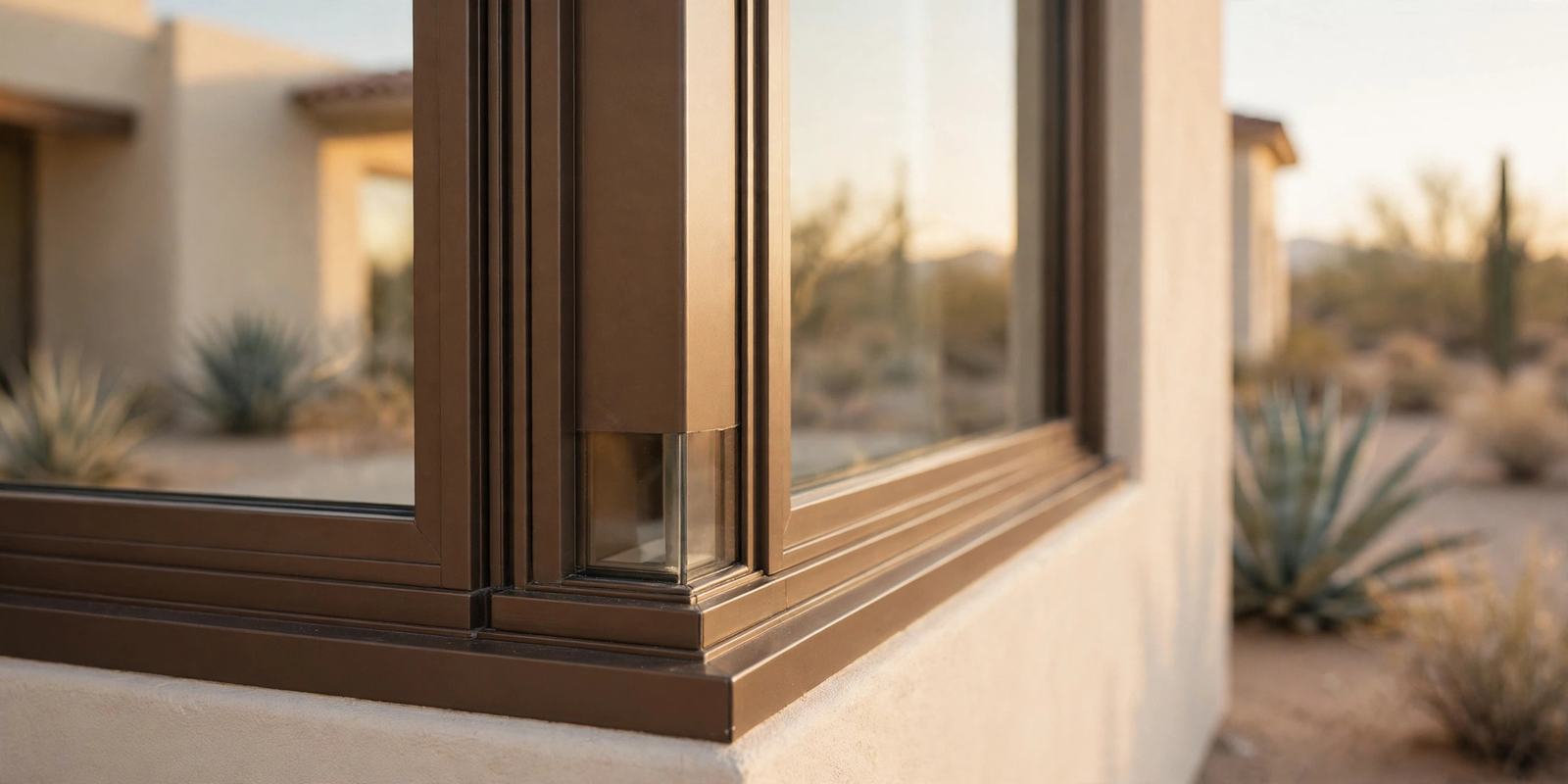
When homeowners in Tucson start researching replacement windows, one question comes up almost immediately: if double-pane windows are a big step up from old single-pane glass, are triple-pane windows even better for Arizona?
Depending on who you ask, you will usually hear one of two extreme answers. A contractor who only sells triple-pane windows will tell you that anything less is obsolete. A contractor who only stocks basic double-pane windows will tell you that triple-pane is only for snowstorms in Minnesota.
The real answer is much more practical. Understanding how double-pane and triple-pane windows actually handle desert heat lets you decide where a third pane genuinely earns its keep and where it may be more window than you need.
How Double-Pane and Triple-Pane Windows Differ
A modern double-pane window is built with two sheets of glass separated by a spacer, creating a single sealed chamber filled with an insulating gas such as argon. A Low-E (low-emissivity) coating is applied to the inside surface of the outer pane to reflect solar heat.
A triple-pane window adds a third sheet of glass in the middle, creating two separate gas-filled chambers instead of one, and allows for an additional Low-E coating surface.
To understand how those two designs perform in Southern Arizona, it helps to look at the two main ratings on a window's energy label:
- Solar Heat Gain Coefficient (SHGC): This measures how much radiant heat from direct sunlight passes through the window. In a sunny desert climate, blocking solar radiation is priority number one, and the Low-E coating does most of this work before the heat ever reaches the inner glass panes.
- U-Factor: This measures how well the window insulates against conductive heat transfer (heat moving from the hot outdoor air to the cooler indoor air, or indoor furnace heat escaping on a cold winter night). Adding a third pane of glass and a second pocket of dense gas primarily lowers the U-factor.
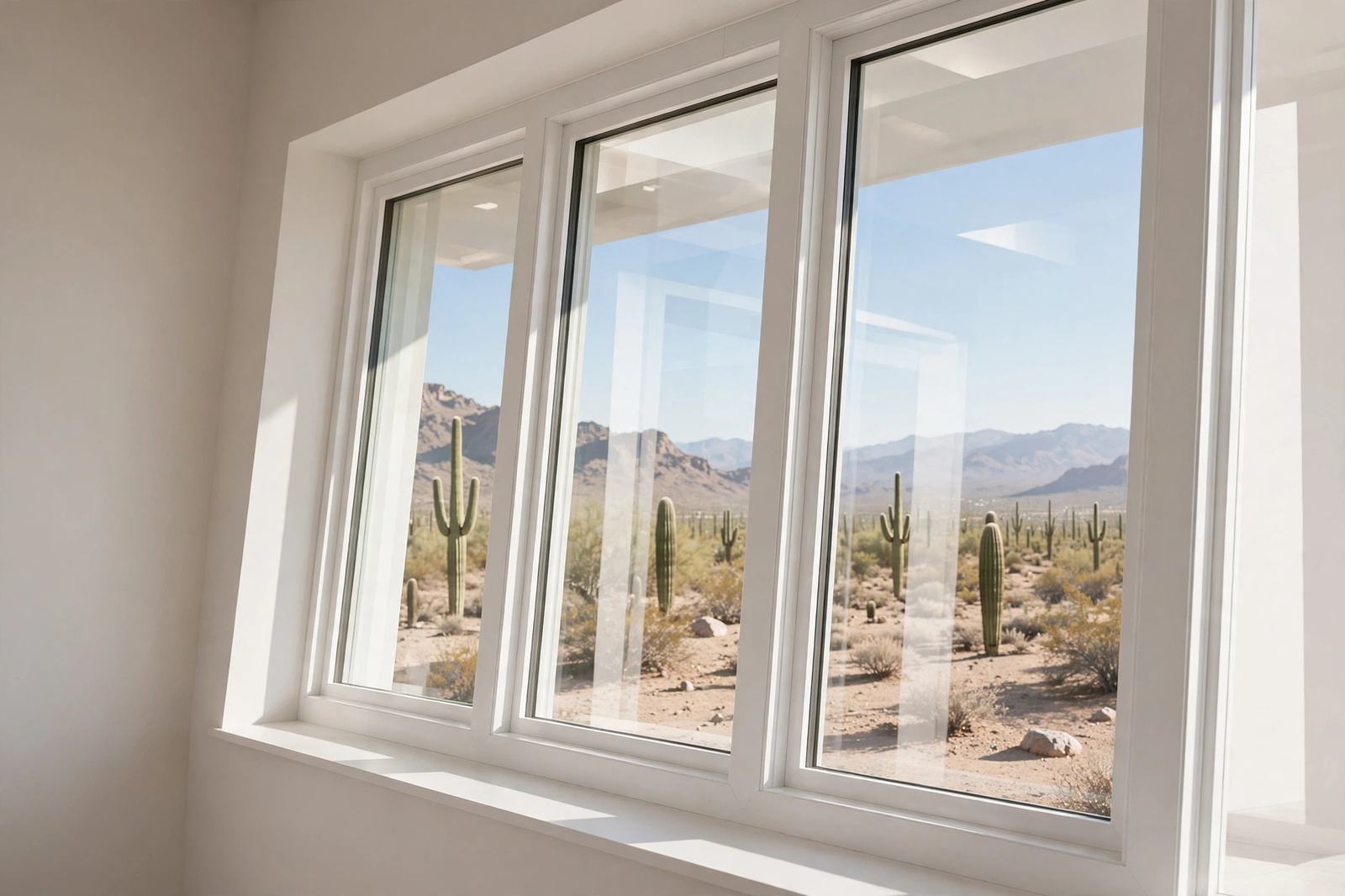
Where Triple-Pane Genuinely Helps in Southern Arizona
Even though Tucson has mild winters compared to northern states, we still deal with months of triple-digit summer air temperatures and chilly desert nights that drop into the thirties and forties. There are three situations where a triple-pane window offers a clear advantage here:
1. Unshaded West- and South-Facing Rooms
When the outdoor air temperature is 108 degrees and the sun is beating directly on a bedroom wall for five hours, heat tries to push through the window both by solar radiation and by sheer air-to-air conduction. The extra gas chamber in a triple-pane unit helps keep the innermost pane of glass cooler to the touch in the late afternoon.
2. Homes Near Busy Roads, Trains, or Flight Paths
Sound travels in vibrations, and having three layers of glass (especially when the panes have slightly different thicknesses) dampens traffic, neighborhood, and aircraft noise noticeably better than a standard double-pane window.
3. Large Picture Windows Where You Sit Close to the Glass
If your favorite armchair, bed, or desk sits right next to a large expanse of glass, a lower U-factor reduces the radiant chill you feel near the glass on cold desert mornings and the radiant warmth you feel on summer evenings.
Where It Hits Diminishing Returns (Plus Cost and Weight Trade-Offs)
For shaded north- or east-facing windows, or homes in quiet neighborhoods where a high-performance Low-E double-pane window already blocks the vast majority of solar heat gain, jumping from double-pane to triple-pane produces a much smaller change in comfort than jumping from old single-pane or failed builder-grade windows to a quality double-pane system.
There are also two physical factors to keep in mind:
- Weight on Moving Parts: A third sheet of glass makes the window sash significantly heavier. On large horizontal sliders or single-hung windows that you open and close frequently, the frame, rollers, and balances must be engineered specifically to carry that extra weight without sagging over time.
- Depth and Cost: Triple-pane units cost more upfront and require a deeper glass pocket, which means the frame design has to be built to house the thicker glass pack properly.
Questions to Ask Before Paying for the Upgrade
Before you decide between double-pane and triple-pane, ask your estimator to show you the side-by-side numbers:
- What are the exact NFRC ratings for both options? Compare the SHGC and U-Factor of their best Low-E double-pane window against their triple-pane window so you can see the actual performance difference in writing.
- How are the frame and spacers constructed? A triple-pane glass unit inside a flimsy, hollow frame will still transfer heat around the edges. Multi-chamber vinyl, composite, or fiberglass frames with warm-edge spacers matter just as much as the glass.
- What insulating gas is used between the panes? Confirm whether the chambers are filled with argon or denser krypton gas, and how the perimeter seals are built to hold up in Arizona heat.