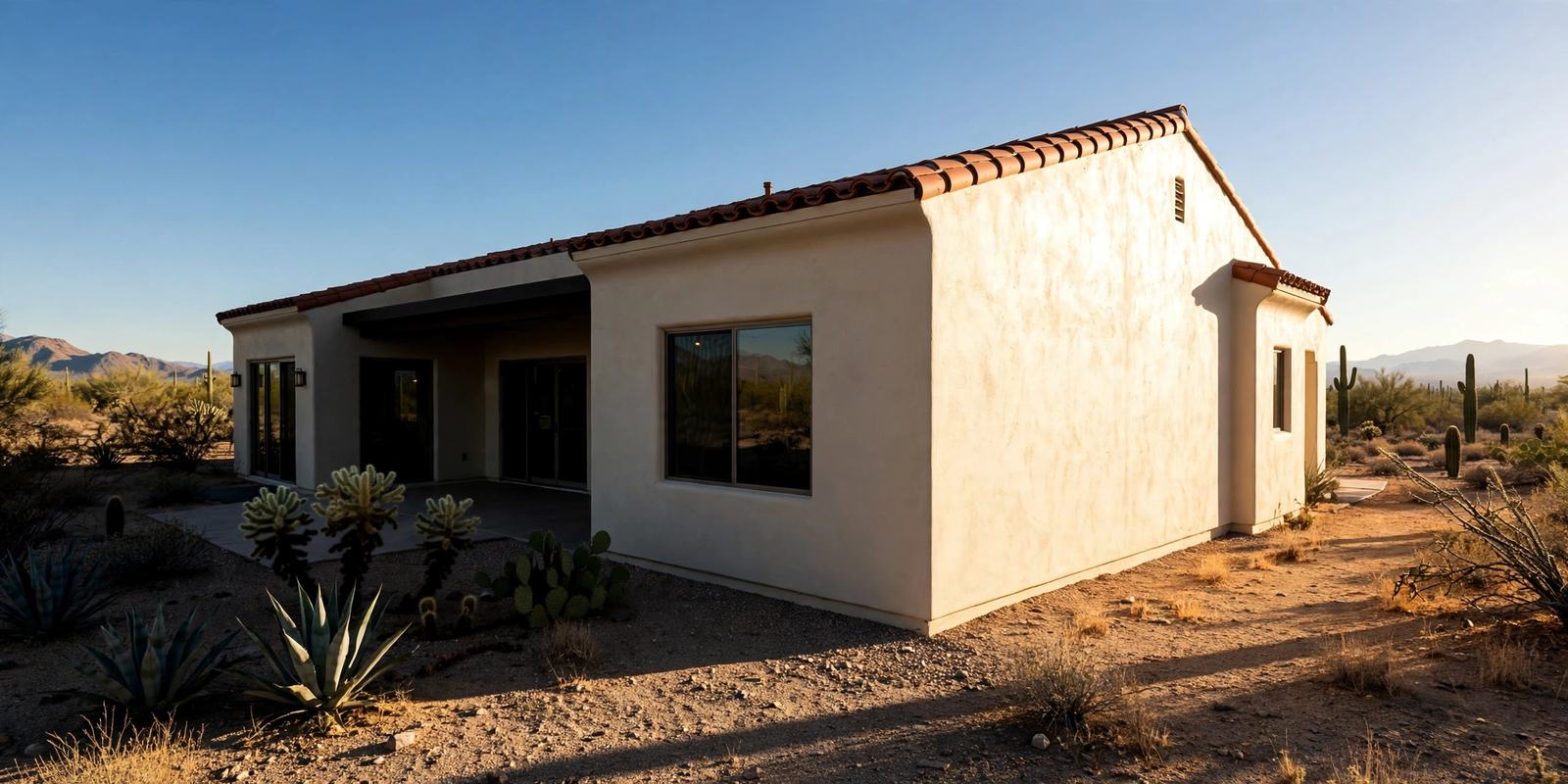
Almost every house in Tucson has that one stubborn room. You set the thermostat to 75 degrees, the kitchen and hallway feel great, and then you walk into the back bedroom or home office at four in the afternoon and feel like you stepped into a different climate zone. If you turn the thermostat down to rescue that one room, the rest of the house turns into an icebox while your electric bill climbs.
When a single room stays uncomfortable, it is rarely because your air conditioner is broken. Instead, that specific room is taking on heat from the outside faster than the cool air coming out of the vent can keep up.
Four Common Reasons One Room Overheats in Southern Arizona
In our desert climate, several factors often team up on the same room at the same time:
1. Relentless West and South Sun Exposure
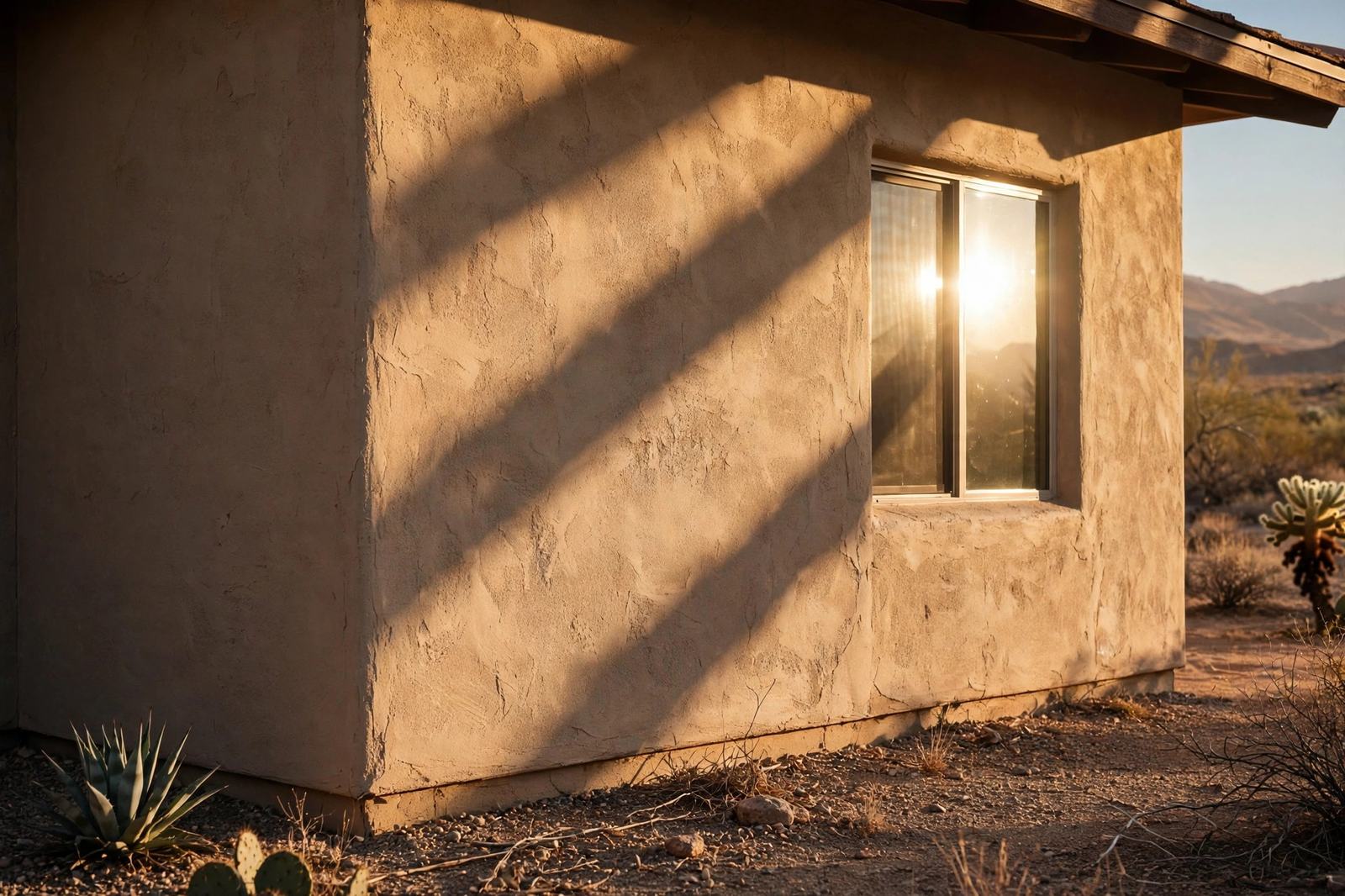
Rooms on the west and south sides of your home absorb hours of direct, intense sunlight every afternoon. Exterior stucco and brick soak up that solar energy all day and continue radiating heat inward well after sunset.
2. Aging Windows and Failed Seals
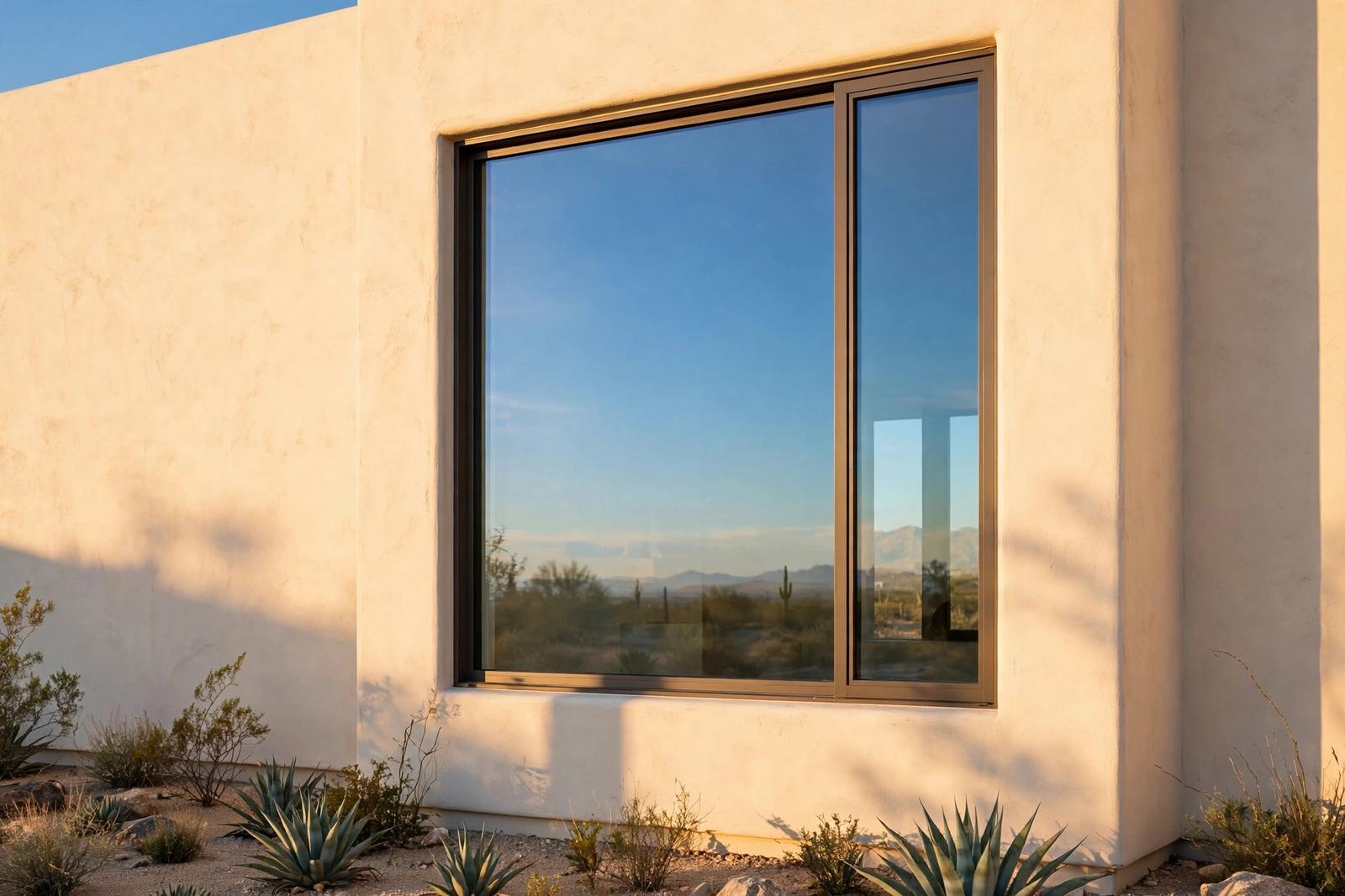
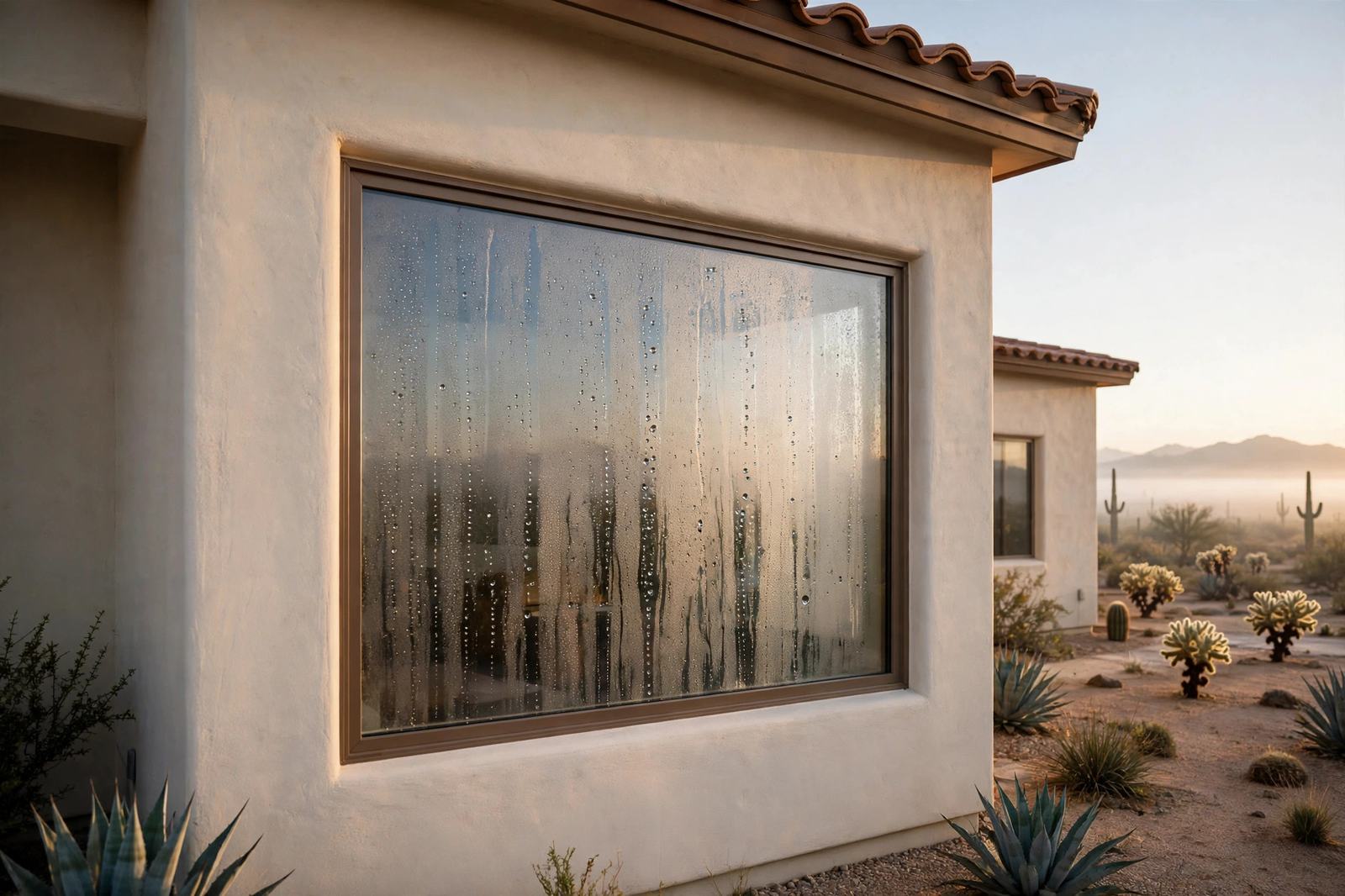
Windows are often the biggest weak spot in an uncomfortable room. Many homes around Tucson and Marana still have their original builder-grade windows. Years of desert heat bake the perimeter seals until the insulating barrier between the glass panes gives out. Sometimes you will see a cloudy fog or haze trapped between the panes that you cannot wipe off. Other times, the glass still looks completely clear, but outdoor heat is pouring straight through the glass and frame as if the window were barely there.
3. Insulation Gaps in the Walls or Ceiling
Insulation acts like an oven mitt between your living space and the outdoors. If the insulation inside an exterior wall has settled over the years, or if the attic insulation directly above that bedroom is thin or uneven, outdoor heat transfers straight through the drywall all afternoon.
4. Attic Heat Sitting Right Over the Room
On a sunny Arizona afternoon, the air inside your attic or under a flat roof gets extraordinarily hot. Corner bedrooms, upstairs rooms, and rooms built over a garage have more surface area exposed to that overhead heat. When the roof underlayment and attic space heat up, the ceiling itself begins acting like a giant radiant heater overhead.
What You Can Check Yourself Before Calling Anyone
Before you spend a dime on repairs, you can narrow down the cause with three simple checks around four o'clock on a sunny afternoon:
- Pay attention to the clock: If the room feels fine at nine in the morning and only spikes in the afternoon when sunlight hits the glass, solar heat coming through the windows is a major suspect. If the room stays warm late into the night, overhead attic heat or thin insulation is likely playing a role.
- Do the hand test: Stand a foot away from the window glass, then place your hand against the window frame, the exterior wall, and an interior hallway wall. If heat is radiating off the glass and frame, your windows are letting the desert in.
- Check your vents and doors: Make sure the supply vent is fully open and not blocked by a bed or heavy curtains, and check that air is actually flowing when the AC kicks on. Avoid closing vents in other rooms to force air around, as that builds up pressure in your system without fixing how fast heat is entering the hot room.
How a Thermal Scan Shows Where the Heat Is Actually Entering
Guessing which part of the room is failing can lead to expensive mistakes. During an assessment, my associate Kobe, a certified thermographer, uses a thermal camera to show the surface temperatures of the room in vivid color.
In seconds, you can see on screen whether 95-degree heat is pushing through failed window seals and frames, radiating down from a hot ceiling cavity with thin insulation, or sneaking in through cracks where the window meets the exterior stucco. Seeing where the heat is actually entering lets you put your money toward the fix that will truly solve the problem.